

NETWORK OF EX-ASYLUM SEEKERS - SIERRA LEONE (NEAS -SL)
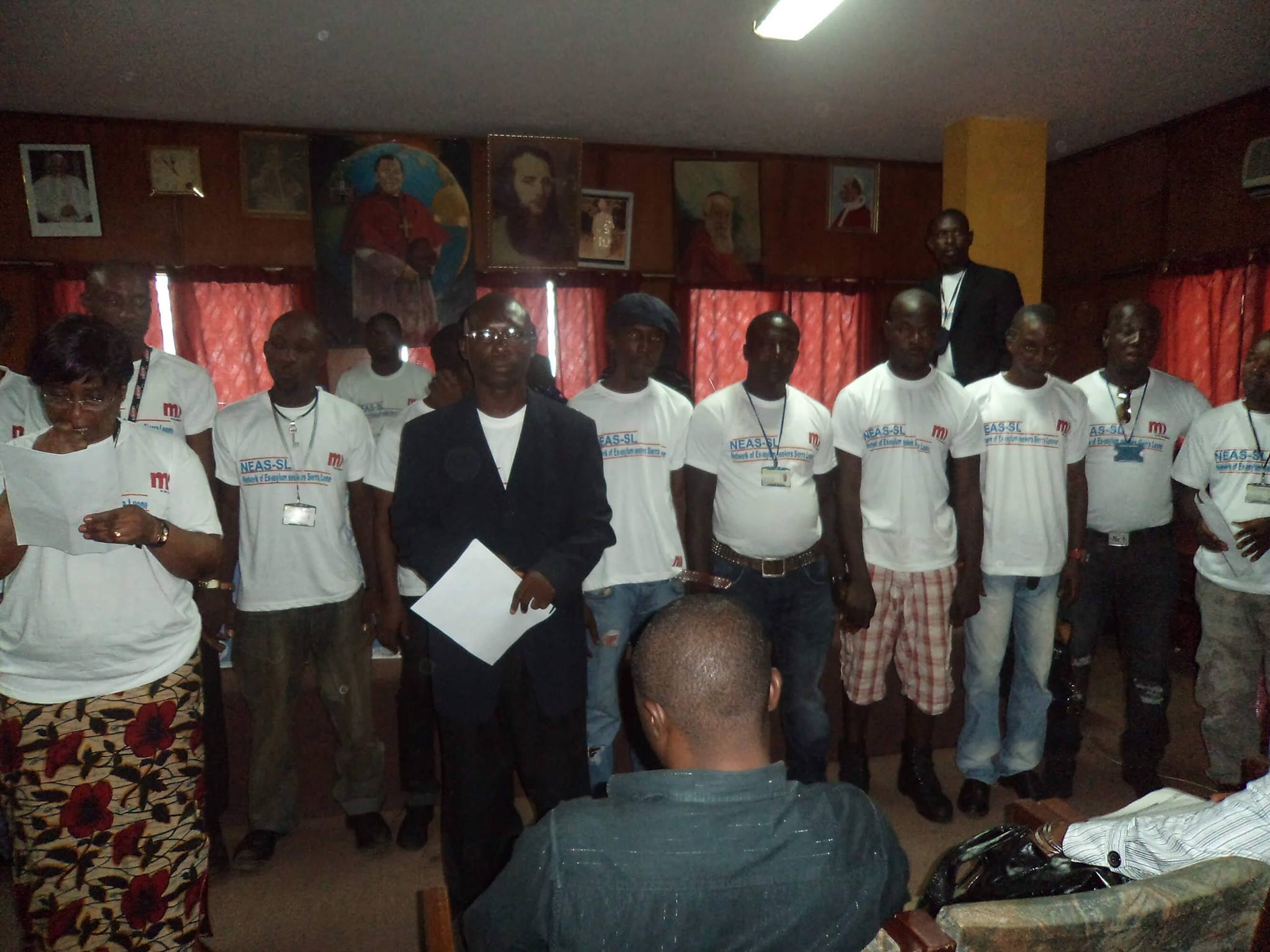
Meet the team
National Executive
- National Coordinator- Abdulai Daramy
- Deputy National Coordinator- Albert Hindowa
- Communications officer- Markadams Ahmed Kamara
- Finance Officer- Abdulkarim Sesay
- Technical Finance Officer- John Gberie
- Technical Program Officer- Usif Mansaray
- Volunteer Staff.1- Madam maseray Dumbuya
- Volunteer Staff.2- Ibrahim Kamara
The leadership and managerial structure of the Network of Ex-Asylum Seekers Sierra Leone (NEAS-SL) reflects the organization’s unique identity as a movement founded and led by people with immense experiences of asylum seeking, deportation, and forced return. Each managerial position is shaped not only by formal roles and responsibilities, but by personal journeys that inform the organization’s vision, credibility, and effectiveness. Together, the leadership team embodies resilience, commitment, and practical knowledge of migration realities.
Within the Network of Ex-Asylum Seekers Sierra Leone (NEAS-SL), effective leadership extends beyond program delivery to include sustainability, visibility, and strategic engagement. Two key managerial positions that strengthen the organization’s institutional capacity and public presence are the Resource Mobilization Officer and the Media Outreach Officer. These roles ensure that NEAS-SL is not only able to implement its mission but also sustain its work and amplify the voices of former asylum seekers across Sierra Leone
.
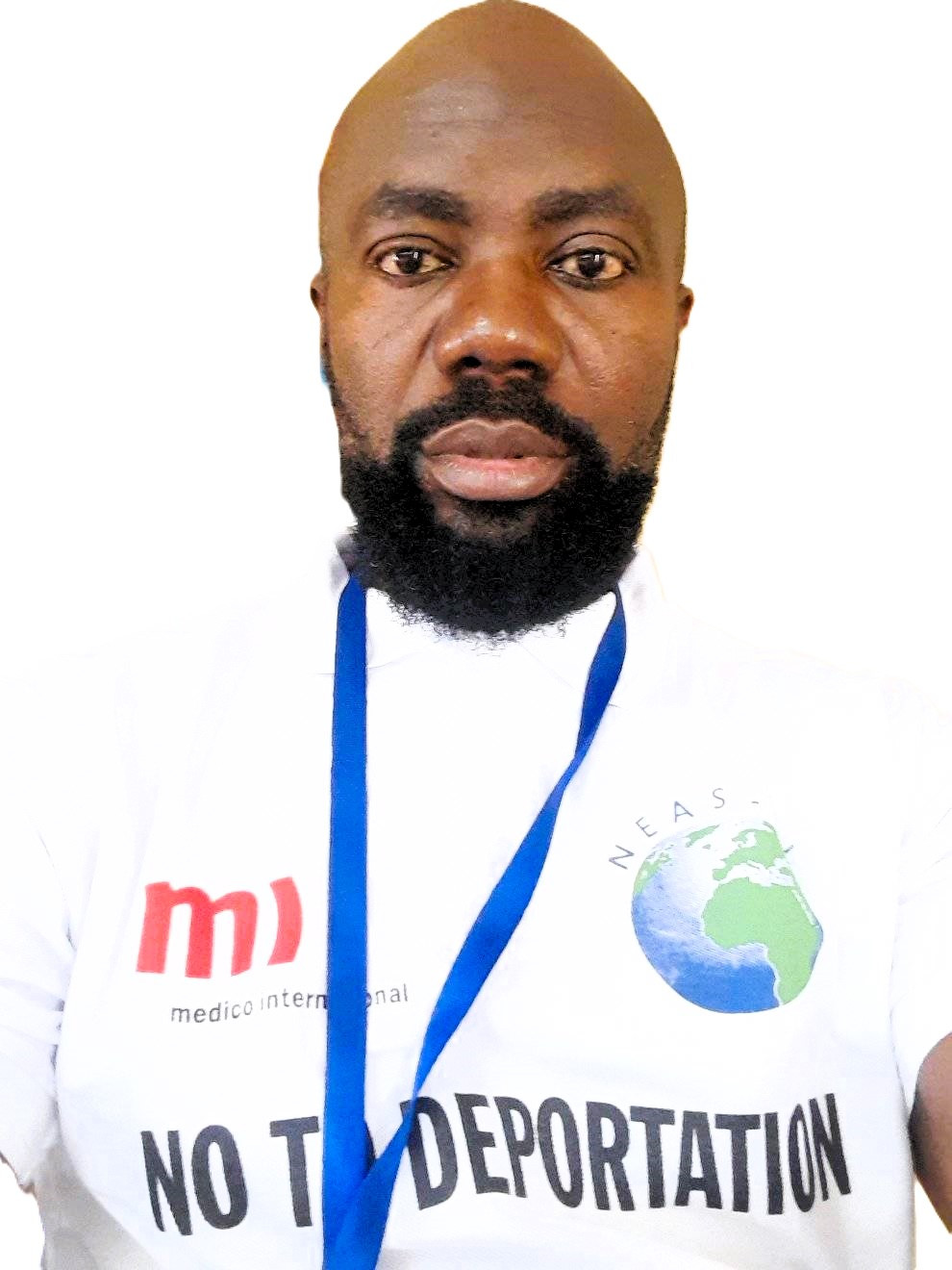
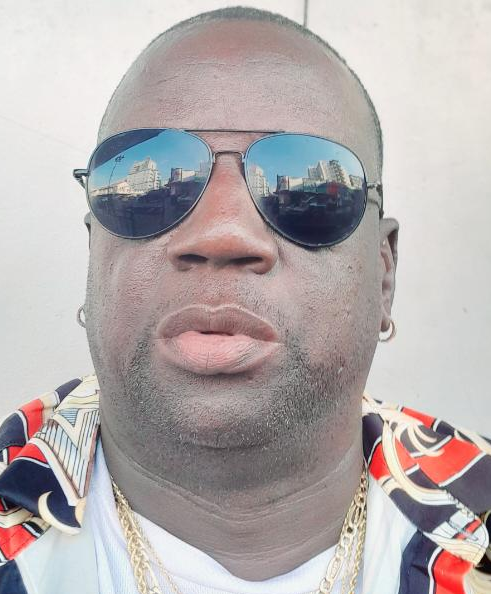
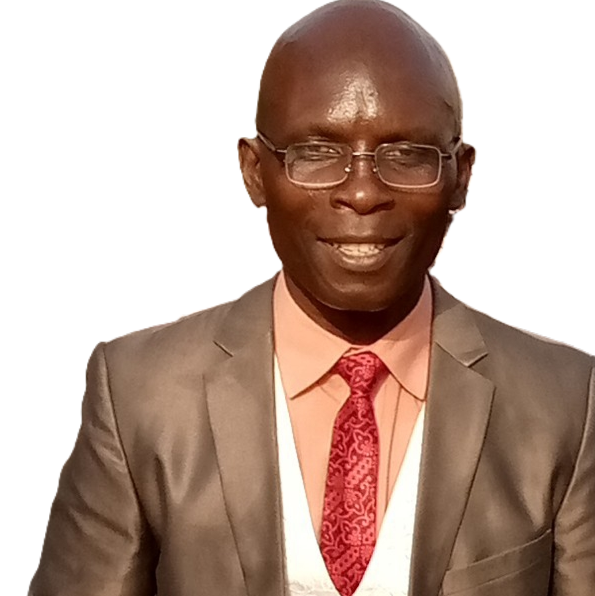
Mr. Abdulai Daramy
National Coordinator
At the core of NEAS-SL’s leadership is the National Coordinator, Abdulai Daramy, a deportee from Germany and the pioneer of the network. As one of the founding figures of NEAS-SL, he has played a central role in transforming a small informal group of deported asylum seekers into a nationally recognized civil society organization. His firsthand experience of migration from Africa to Europe, the asylum process, and deportation provides deep insight into the challenges faced by deportees. As National Coordinator, he oversees the overall strategic direction of the organization, coordinates programs, and represents NEAS-SL in engagements with government institutions, civil society partners, and international stakeholders. His leadership is grounded in vast experience, credibility, and a strong commitment to dignified deportation and reintegration.
Mr. Albert Hindowa
Deputy National Coordinator
The Vice Chairman, Albert Hindowa, also a deportee from Germany, is another pioneer of NEAS-SL and a key pillar of the organization. Like the National Coordinator, he brings extensive experience and understanding of migration routes and asylum systems from Africa to Europe. His role complements that of the coordinator by providing strategic guidance, institutional memory, and leadership support. As a founding member, he plays an important role in maintaining the organization’s original vision, values, and grassroots orientation, ensuring that NEAS-SL remains accountable to the deportees it serves.
Mr. Markadams Ahmed Kamara:
Communications Officer:
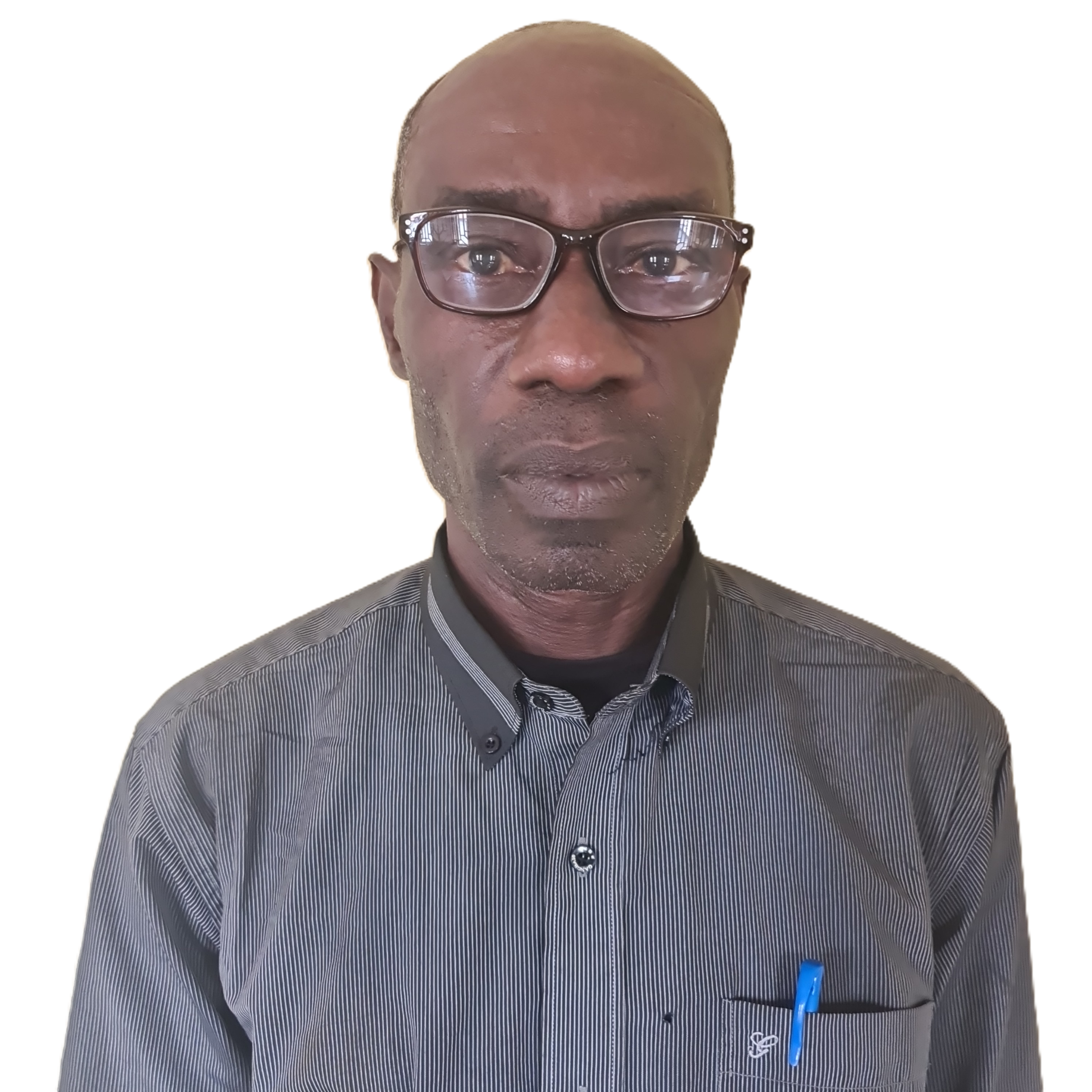
The Communications Officer, Markadams Ahmed Kamara, a deportee from Germany, leads the organization’s communication, documentation, and public engagement efforts. He holds two graduate degrees in Business Administration and Computer Science, bringing both managerial and technical expertise to NEAS-SL. His role involves shaping the organization’s narrative, managing information dissemination, and ensuring accurate and ethical communication of NEAS-SL’s work. Drawing from both his academic background and immense migration experience, he bridges professional communication standards with authentic storytelling, helping to amplify the voices of ex-asylum seekers and strengthen the organization’s visibility and advocacy impact.

Abdulkarim Sesay
finance officer
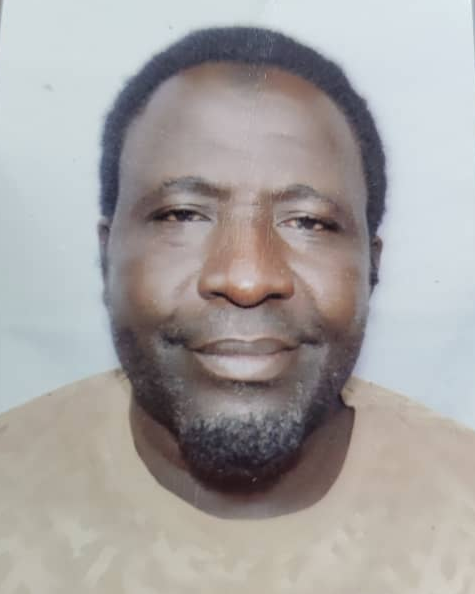
Financial management within NEAS-SL is supported by two complementary roles. The Finance Officer, Abdulkarim Sesay, a deportee from Germany, is responsible for financial record-keeping, supporting documentation, and basic financial administration. Although a secondary school undergraduate, he possesses strong practical skills in documentation and financial support systems. His role demonstrates NEAS-SL’s belief in inclusive leadership, valuing competence, experience, and commitment alongside formal education. His vast experience as a deportee also enhances trust and accountability within the organization.
Mr. Ibrahim Kamara
Treasurer
The Treasurer, Ibrahim Kamara, a deportee from Germany and a pioneer of NEAS-SL, plays a custodial role in safeguarding the organization’s financial integrity. As one of the founding members, he contributes not only to financial oversight but also to strategic discussions rooted in the organization’s early struggles and growth. His long-standing involvement reinforces continuity and trust within the leadership structure.
Madam Maseray Dumbuya
Volunteer.1
A distinctive feature of NEAS-SL’s managerial context is the inclusion of volunteer leadership. Madam Maseray Dumbuya, a deportee from Germany, serves as volunteer staff and is the only female among predominantly male counterparts. Her presence is symbolically and practically significant. As a woman with immense experiences of deportation, she brings a gender-sensitive perspective to the organization’s work, particularly in understanding the unique vulnerabilities faced by female deportees. Her voluntary service reflects commitment beyond formal titles and highlights the inclusive and participatory spirit of NEAS-SL.
Mr. Usif Mansaray
Technical Program Officer
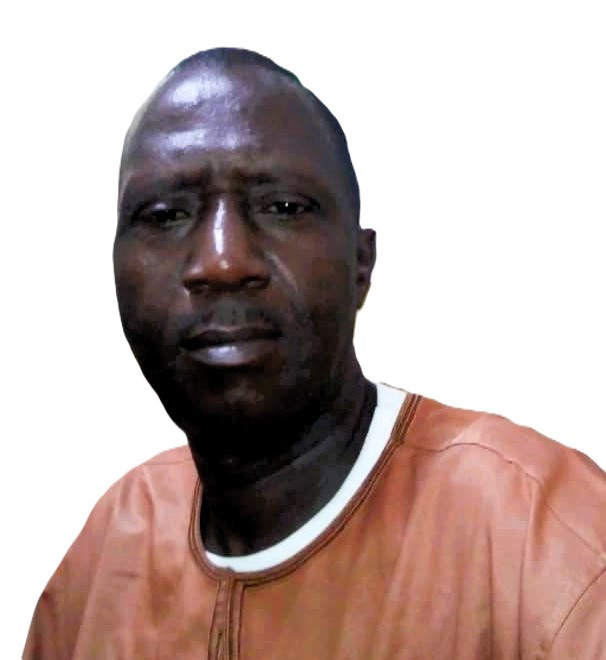
The Technical Program Manager, Usif Mansaray, brings specialized knowledge in civil society organizations and program implementation. His role focuses on designing, coordinating, and monitoring NEAS-SL’s programs, particularly in reintegration support, psychosocial services, and community outreach. With proficiency in civil society operations, he ensures that programs are structured, responsive, and aligned with the organization’s mission. His technical expertise strengthens NEAS-SL’s capacity to deliver effective, accountable, and sustainable interventions for deportees.
Mr. John Gberie
Technical Finance officer
Supporting this role is the Technical Finance Officer, John Gberie, a government retiree and former civil servant. His extensive experience in public service provides NEAS-SL with institutional knowledge, discipline, and technical oversight in financial management. As a senior figure, he strengthens internal controls, compliance, and accountability, ensuring that the organization’s financial practices meet acceptable standards and inspire confidence among partners and stakeholders.
Issac Lamin Lahai
Resource Mobilization Officer
The Resource Mobilization Officer, Issac Lahai Lamin, plays a critical role in ensuring the financial and institutional sustainability of NEAS-SL. He holds a Master’s degree and has extensive experience as an activist in civil society organizations, a government retiree, and a former civil servant. His professional background brings a wealth of strategic, administrative, and policy-related knowledge to the organization. In his role, he leads efforts to identify, develop, and manage relationships with donors, partners, and funding institutions, both locally and internationally.
Mr. Lamin’s long-standing involvement with civil society helps him understand donor expectations, proposal development processes, and accountability standards. His experience in government service also offers valuable insights into public sector systems and development frameworks, enabling NEAS-SL to align its programs with national priorities while remaining independent as a non-governmental organization. As Resource Mobilization Officer, he collaborates closely with management to translate NEAS-SL’s mission, programs, and impact into compelling funding proposals and partnership opportunities. His role is vital in ensuring the organization can continue to provide reintegration support, psychosocial services, and advocacy without interruption.
Complementing this sustainability focus is the role of the Media Outreach Officer, Mohamed Kamara, who leads NEAS-SL’s engagement with the media and the wider public. Mr. Kamara is a well-renowned print and electronic media professional and a proficient practitioner with extensive experience working alongside civil society organizations in Sierra Leone. His expertise strengthens NEAS-SL’s ability to communicate effectively, responsibly, and strategically in a crowded information environment.
As Media Outreach Officer, he is responsible for building and maintaining relationships with journalists, media houses, and communication platforms. He ensures that the stories of ex-asylum seekers are told accurately, ethically, and with dignity. His work helps to counter stigma, misinformation, and negative narratives surrounding deportees and returnees. Through press engagement, media campaigns, and public awareness initiatives, he supports NEAS-SL’s advocacy goals and promotes informed dialogue on migration, return, and reintegration.
Together, the Resource Mobilization Officer and Media Outreach Officer reinforce NEAS-SL’s operational strength and public credibility. Their roles ensure that the organization remains visible, trusted, and sustainably resourced, enabling NEAS-SL to continue standing with returnees and advocating for dignified migration and reintegration in Sierra Leone.
In summary, the managerial positions within NEAS-SL are defined by vast migration experiences, technical competence, and collective leadership. The team combines pioneers of the network with professionals and volunteers, blending personal resilience with institutional responsibility. This structure enables NEAS-SL to remain grounded in the realities of deportation while operating as a credible, people-centered organization dedicated to dignity, reintegration, and informed migration in Sierra Leone.