NETWORK OF EX-ASYLUM SEEKERS - SIERRA LEONE (NEAS -SL)
CONSULTATIVE MEETING ON DEPORTATION MALPRACTICE AFFECTING SIERRA LEONEANS
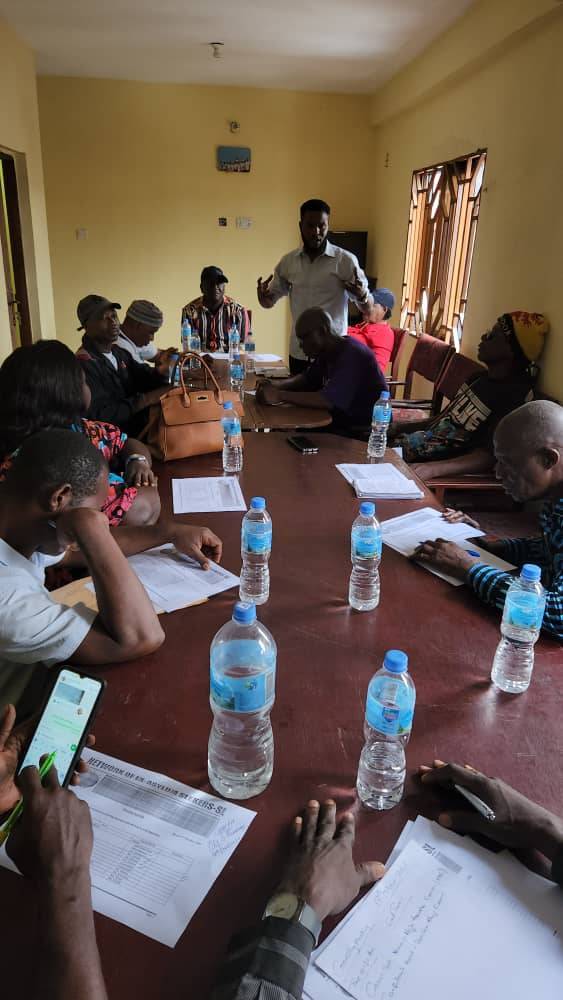
The Network of Ex-Asylum Seekers Sierra Leone (NEAS-SL) convened a consultative meeting with key government institutions and civil society actors to discuss ongoing deportation malpractice affecting Sierra Leoneans during and after deportation. The meeting was organized as part of NEAS-SL’s mandate to advocate for the dignity, rights, and protection of Sierra Leonean deportees, many of whom return home traumatized, stigmatized, and unsupported.
The consultative engagement created a safe space for open dialogue between NEAS-SL, relevant Ministries, Departments and Agencies (MDAs), and civil society organizations working in migration, human rights, and social protection. Discussions focused on the lived realities of deportees, particularly the conditions under which Sierra Leoneans are removed from host countries and the absence of adequate reception and reintegration systems upon arrival in Sierra Leone.
NEAS-SL presented firsthand accounts from deportees who described being deported under degrading conditions, including being restrained, denied clear information about their legal status, and subjected to abrupt removal processes that left them mentally distressed. These narratives highlighted serious gaps in the protection of migrants’ rights and exposed the long-term psychological and social impact of deportation on individuals and their families.
Participants acknowledged that while deportation may be executed within legal frameworks of host countries, the manner in which Sierra Leoneans are treated often violates basic human dignity. Particular concern was raised about the lack of coordination among institutions at the point of arrival, where deportees are frequently handed over to security agencies without psychosocial support, medical screening, or reintegration guidance.
The meeting further examined the absence of a national policy or legal instrument in Sierra Leone that specifically protects deportees. Stakeholders agreed that deportees remain one of the most invisible and underserved groups, facing stigma, unemployment, family rejection, and mental health challenges. Civil society actors emphasized that deportees should not be treated as criminals but as citizens in need of protection and support.
NEAS-SL used the platform to advocate for the development of a deportee protection and reintegration framework that would clearly define institutional roles, ensure dignified return procedures, and provide immediate psychosocial assistance at the airport. The organization also called for stronger collaboration between MDAs, civil society, and international partners to address deportation malpractice both locally and in dialogue with host countries.
The consultative meeting reinforced the urgent need for policy reform, institutional coordination, and public awareness to safeguard the rights of Sierra Leonean deportees. NEAS-SL reaffirmed its commitment to serving as a voice for deportees and to working with stakeholders to promote humane, rights-based, and dignified deportation and reintegration processes in Sierra Leone.
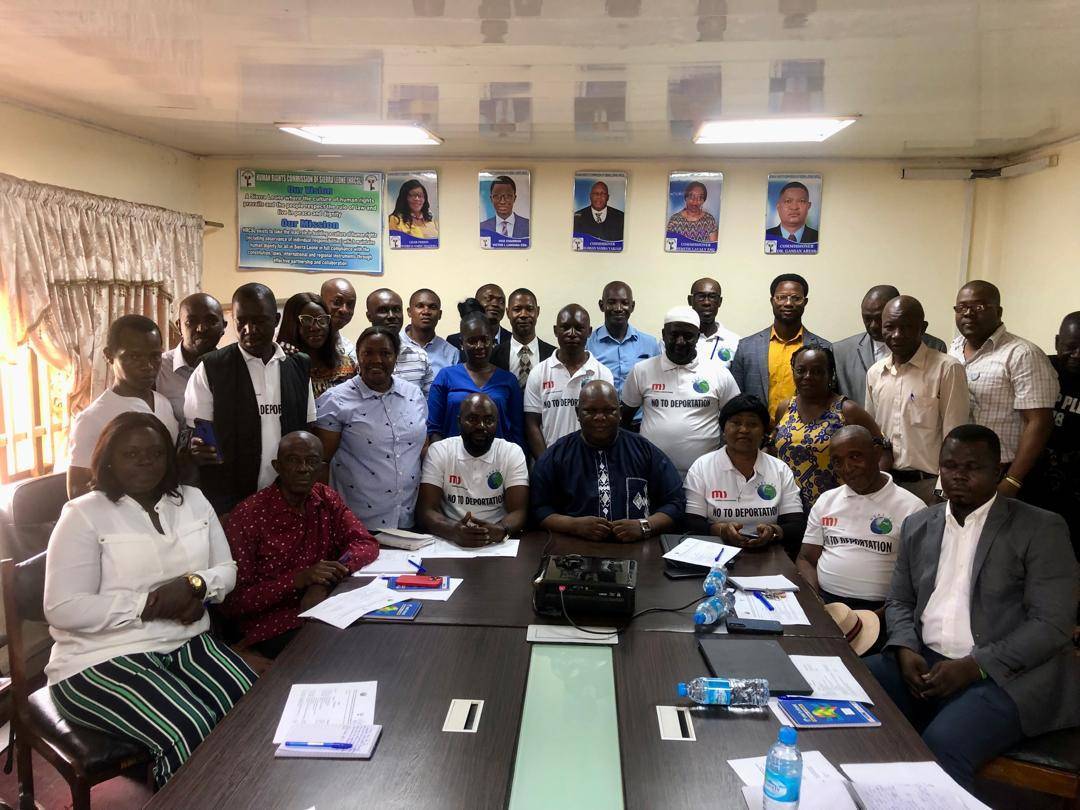
NEAS-SL and the stakeholders 'MDAs' meeting at the head office of the HRC-SL on deportation policy in Sierra Leone.
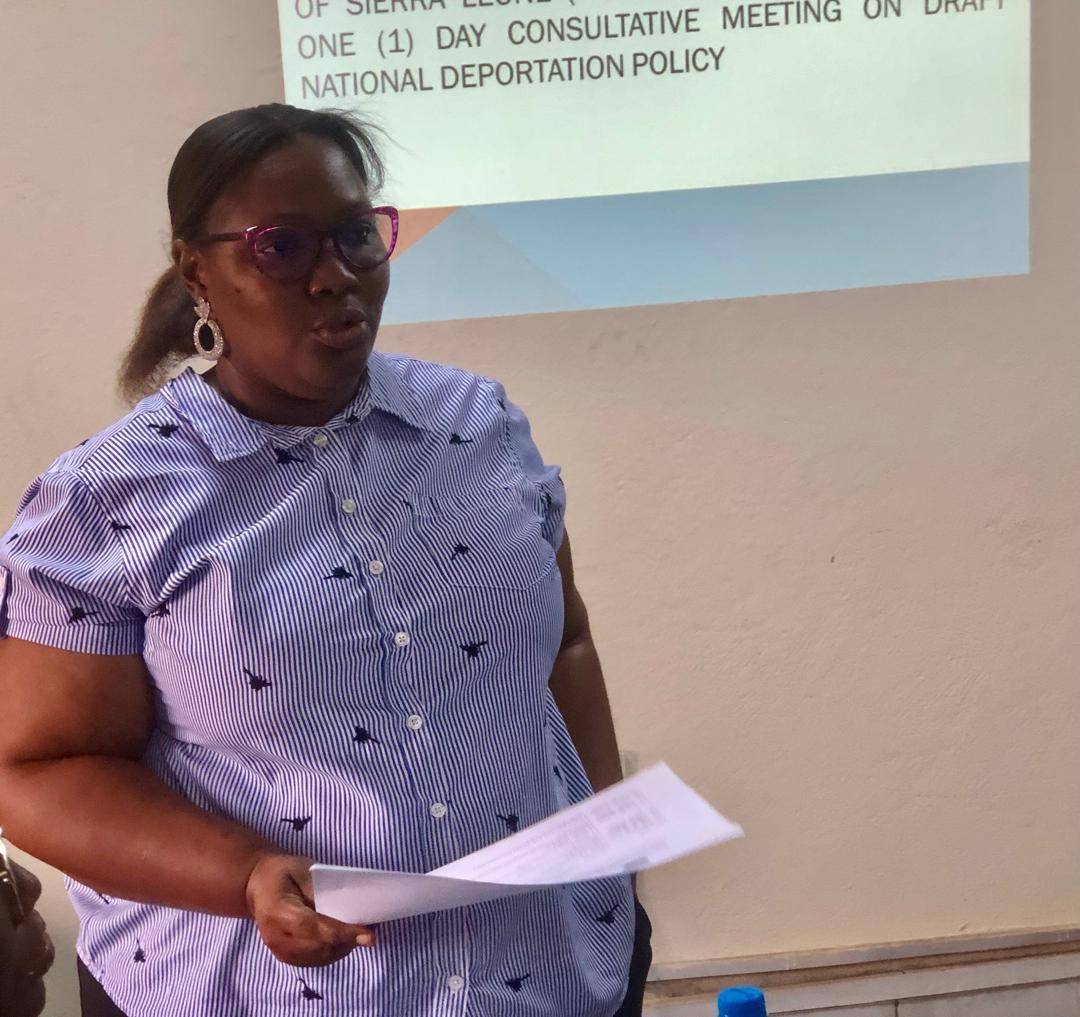
Madam Sidiratu Kargbo-HRC-SL lead lawyer for human trafficking and illegal migration in Sierra Leone.
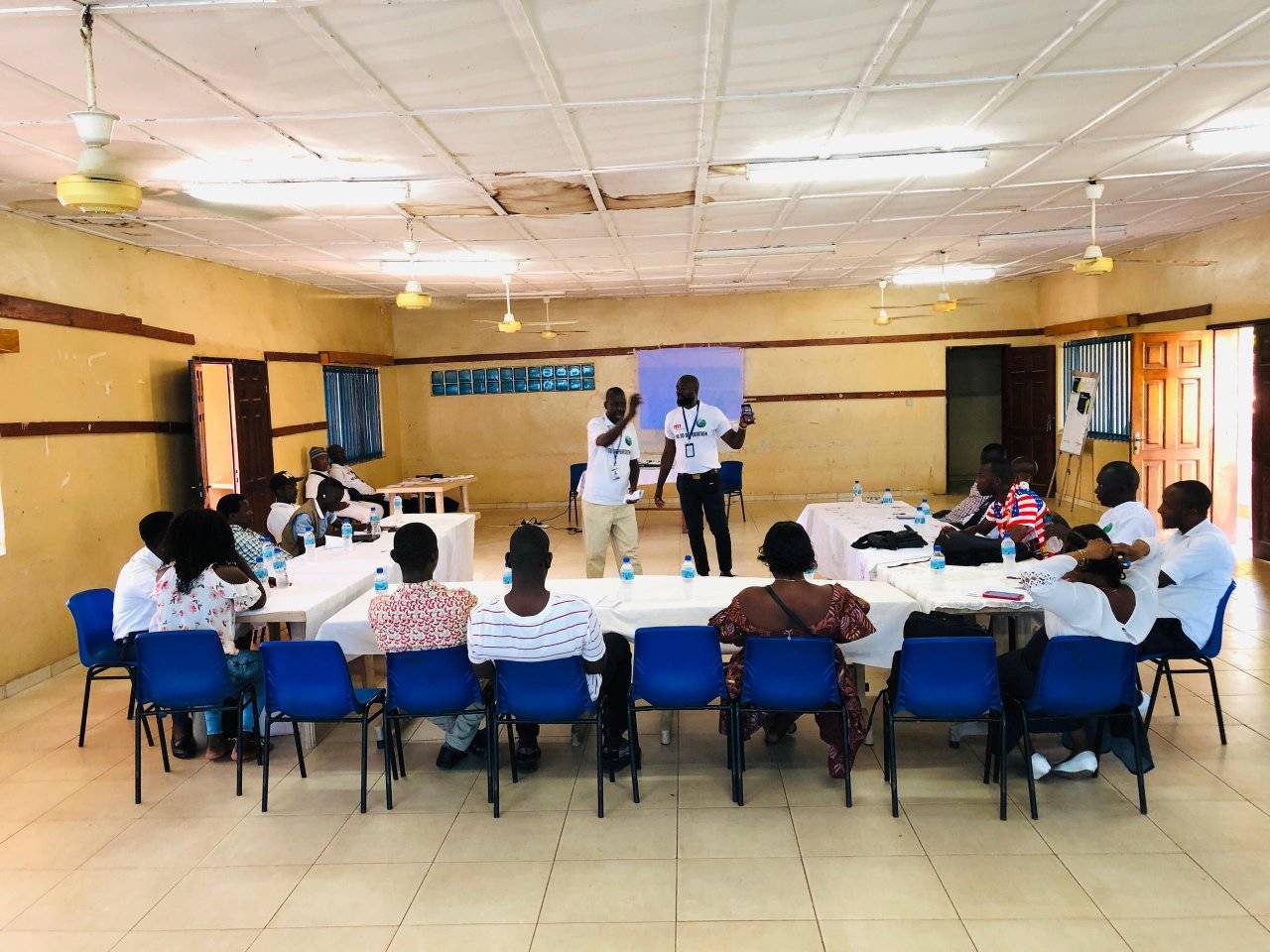
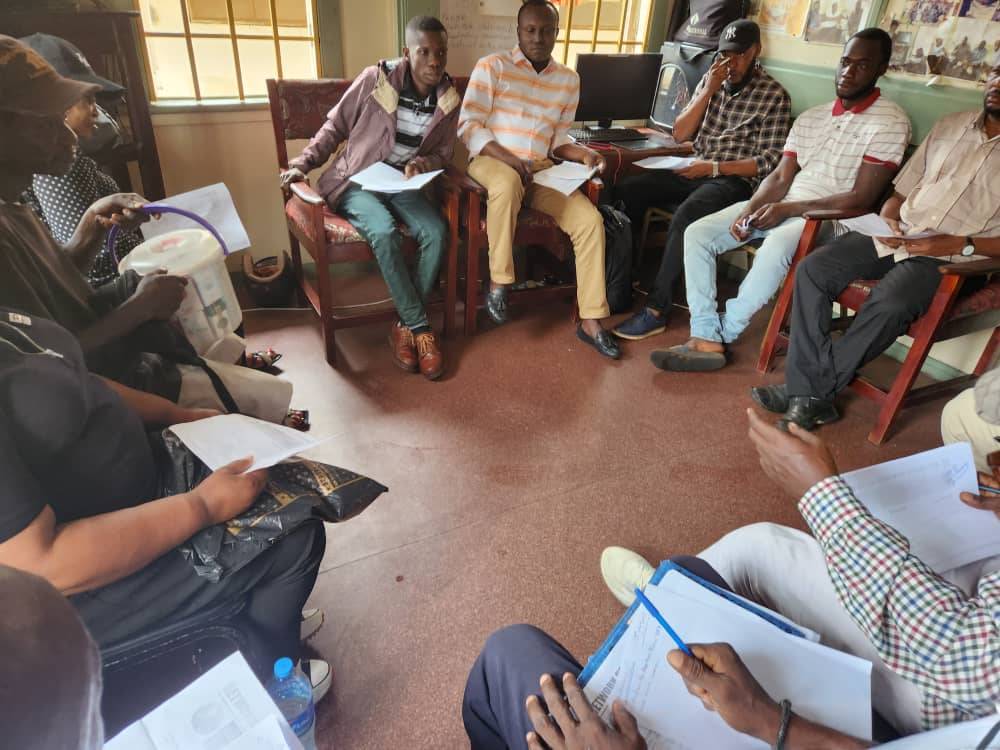
NEAS-SL/CSOs regional consultative meeting in Bo City on migration and deportation policy
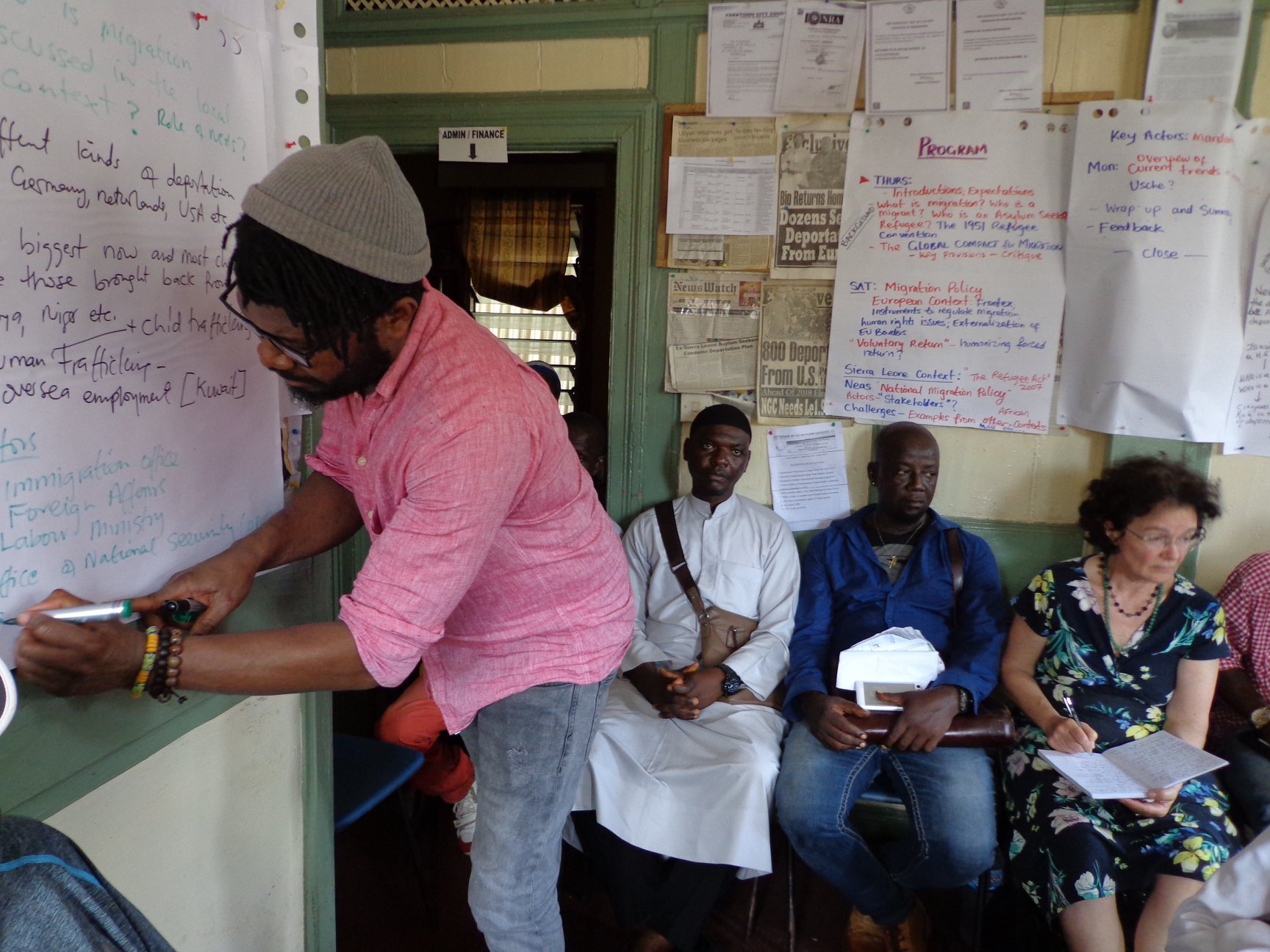
Medico International and NEAS-SL training session on Migration terminology
PROFESSIONAL PSYCHOSOCIAL COUNSELLING
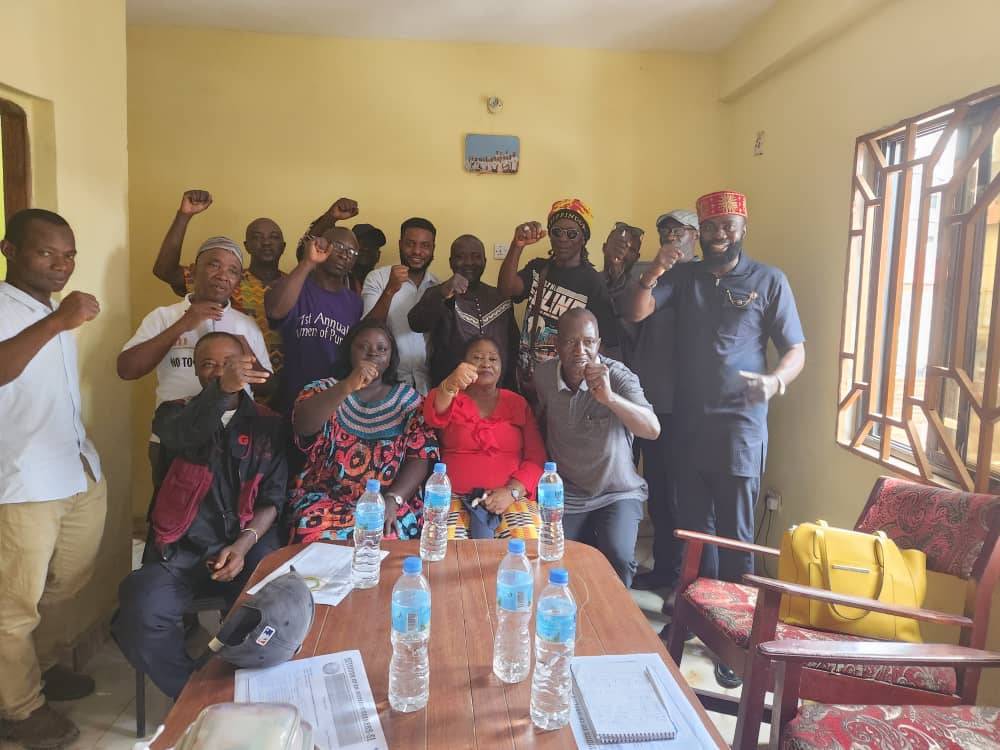
Professional Psychosocial Counseling in Neas-sl Head Office at West Street in Freetown.
OUTREACH TO DEPORTEE HOMES
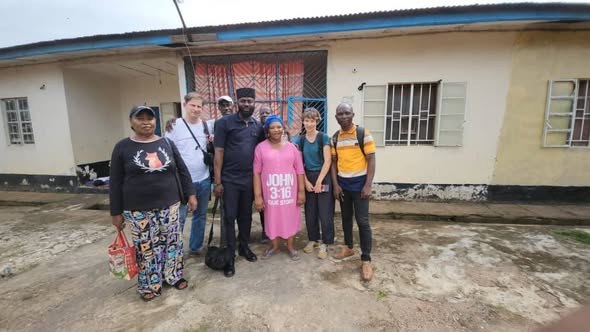
Medico's Visitation to deportee home (Left)
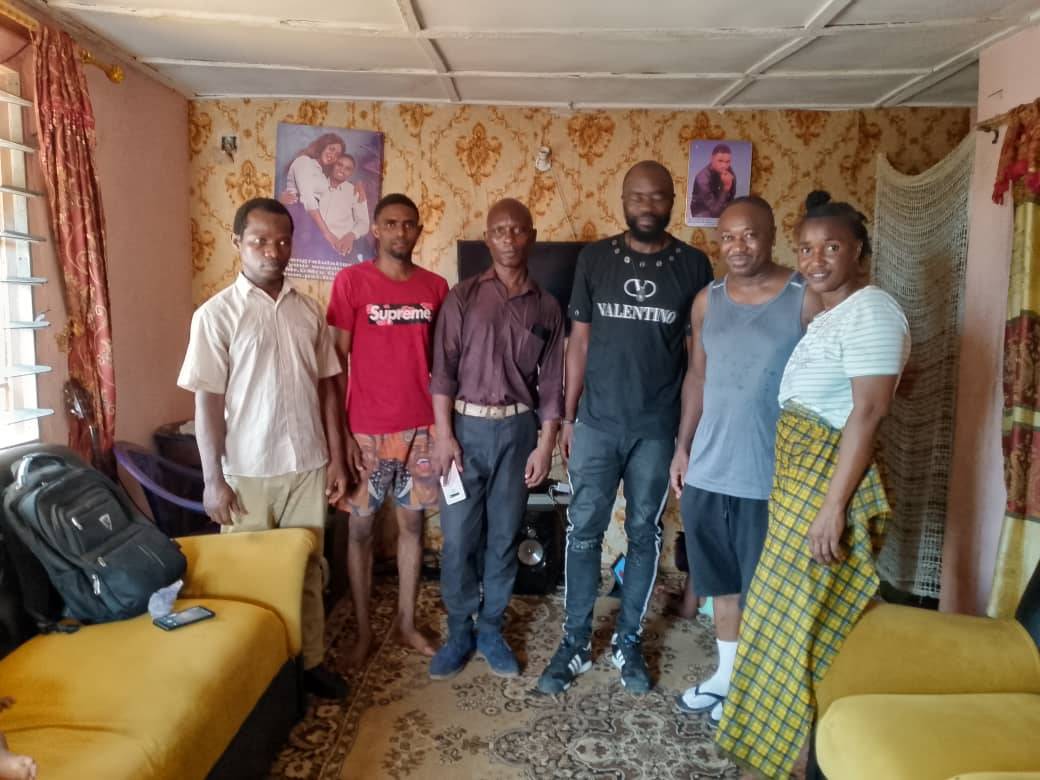
NEAS-SL visitation to deportee home (Right)
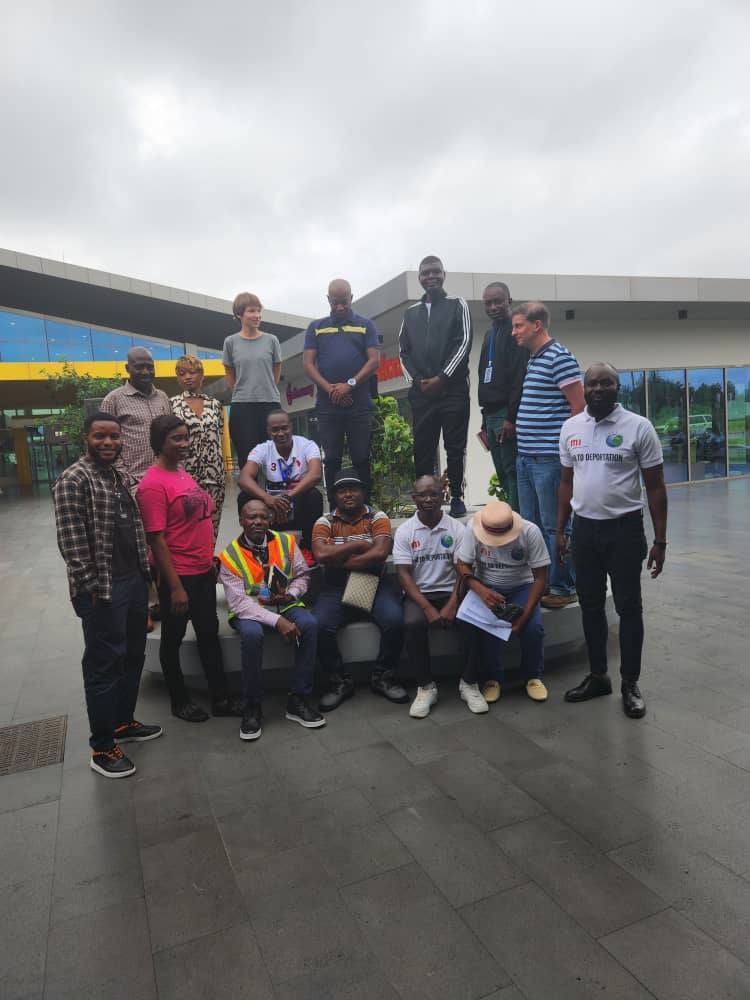
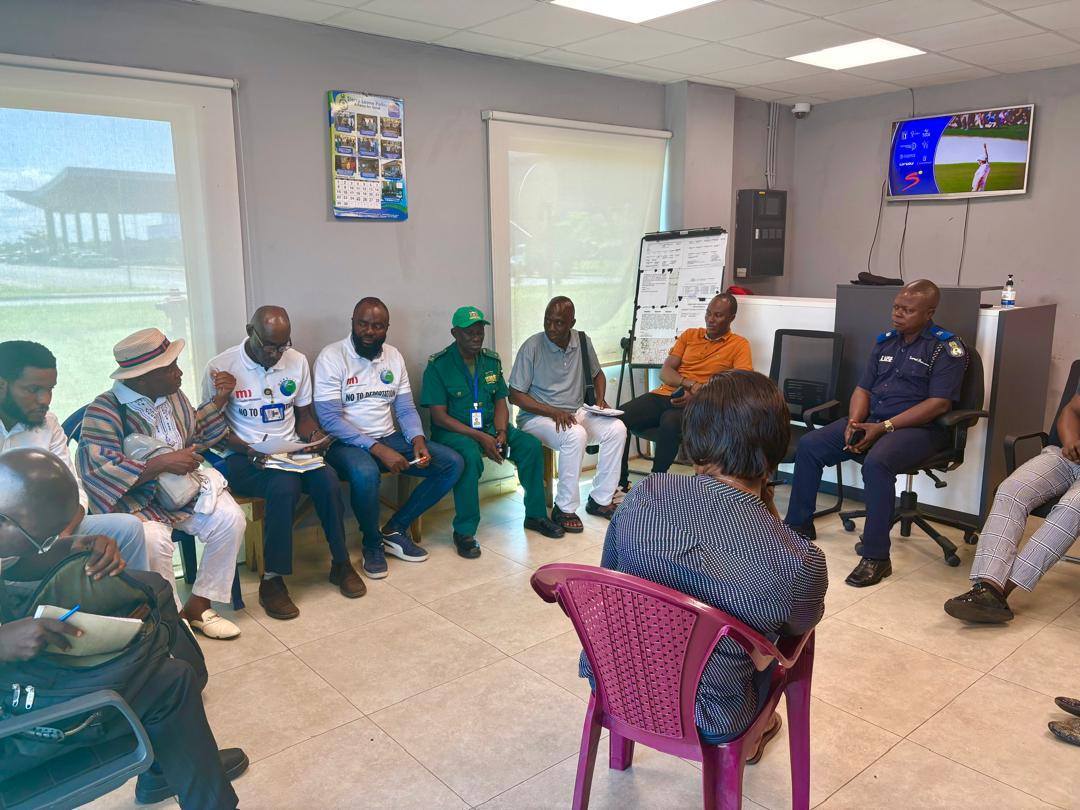
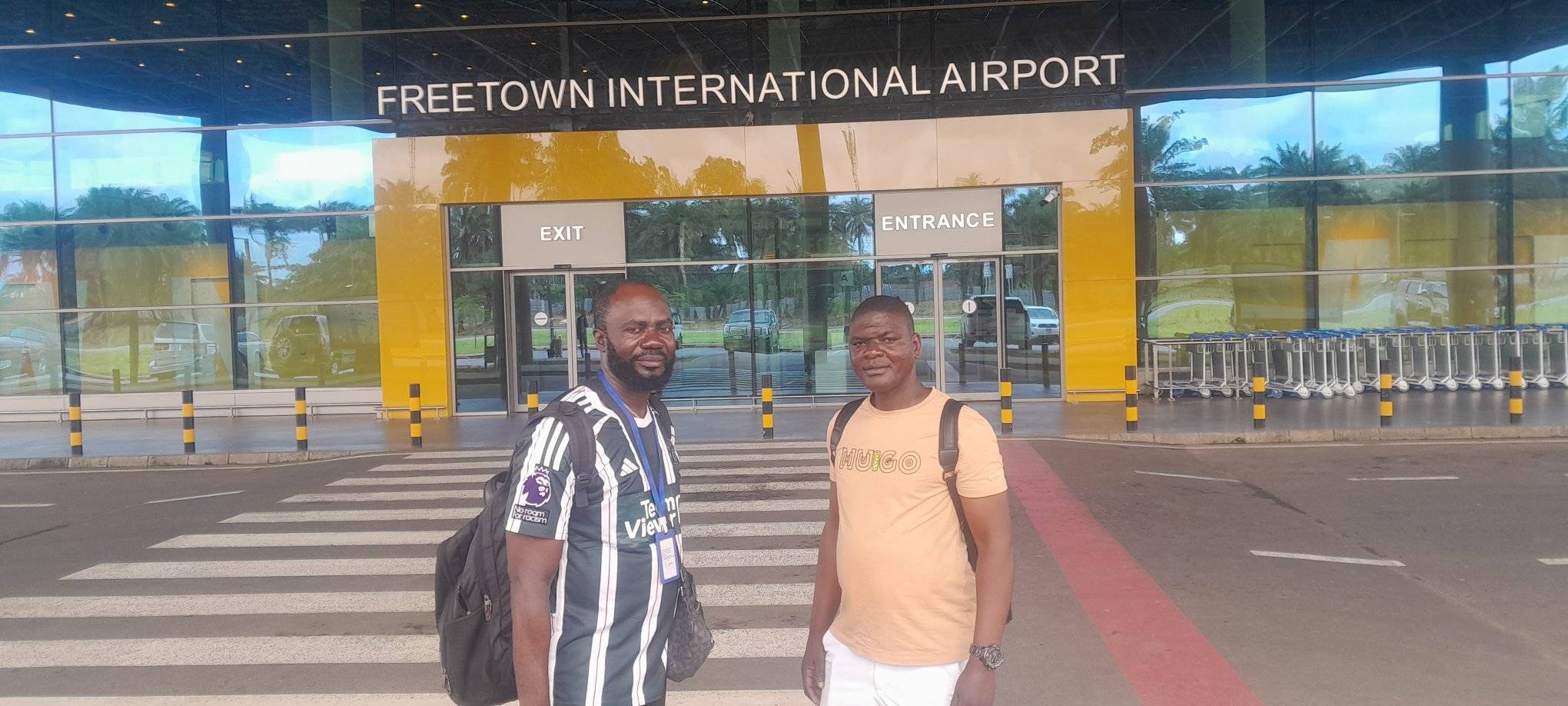
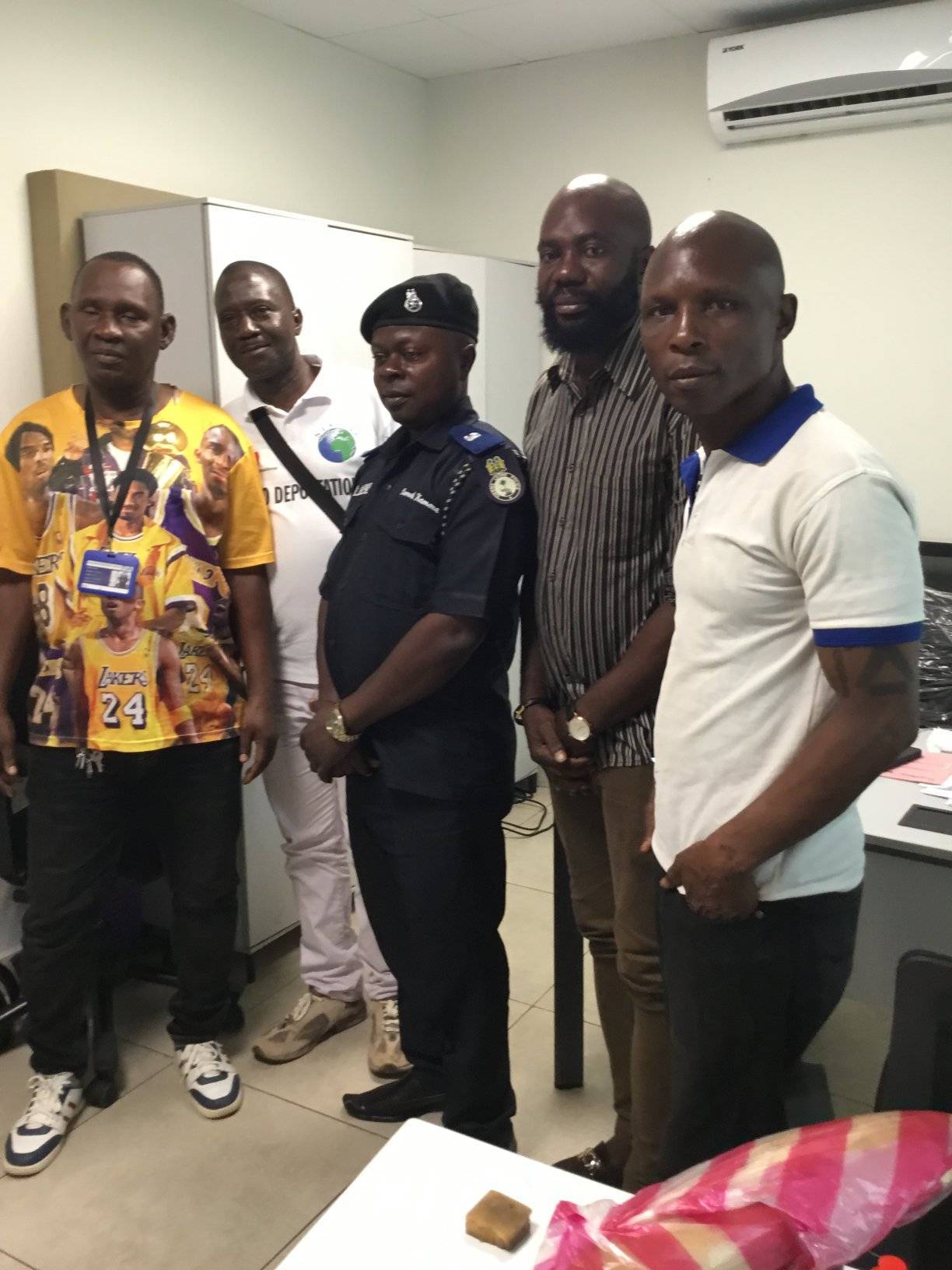
NEAS-SL & MEDICO INTERNATIONAL pay courtsey visit to airport authorities at the Lungi International airport
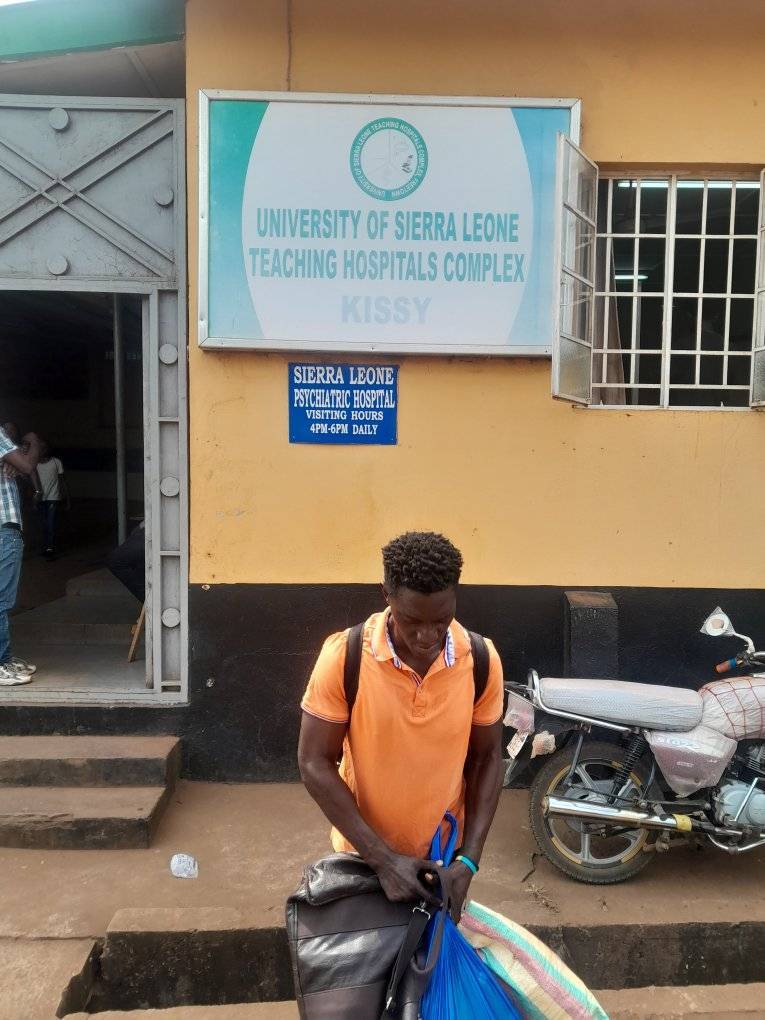
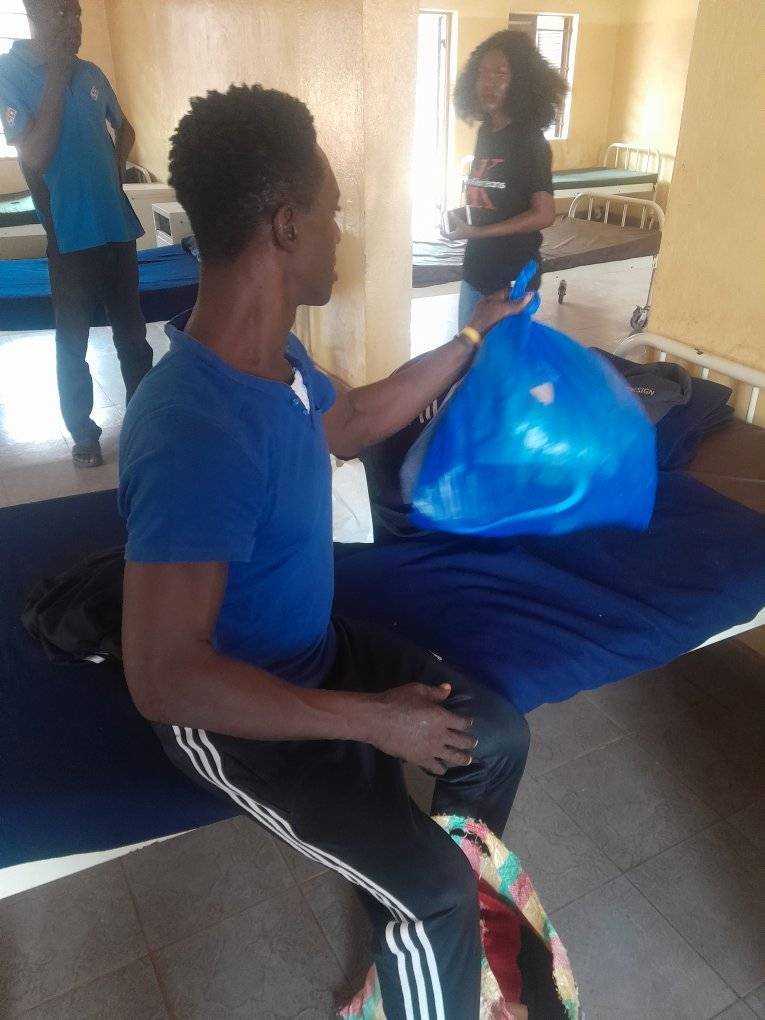
A deportee undergoing a rehabilitation in one of the psychiatric centers in Freetown.